Best Dental Care in Vadodara

What are Mouth Ulcers?

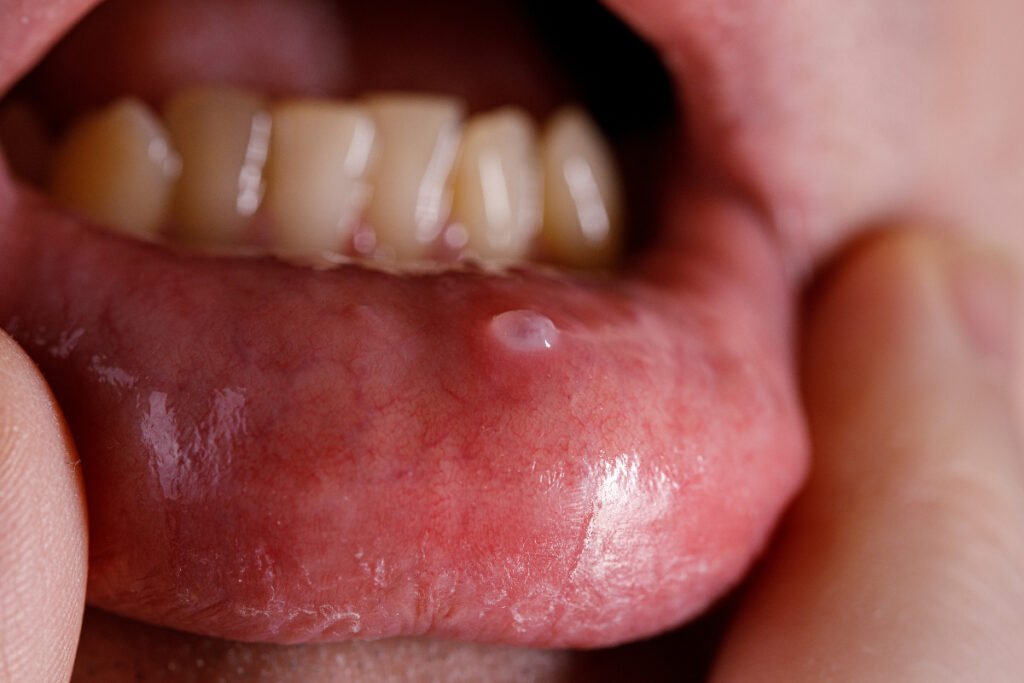
Mouth ulcers are small sores that form on your gums, lips, tongue, inner cheeks or roof of your mouth. Lots of different things can cause them, including minor injuries, hormonal changes and emotional stress. Many mouth ulcers go away on their own. Others may require treatment.

You can get mouth ulcers on your:

  • Gums.
  • Tongue.
  • Roof of mouth (palate).
  • Inner cheeks.
  • Inner lips.

These sores are often painful and can make eating, drinking and speaking uncomfortable.

What are the symptoms of a mouth ulcer?

Mouth ulcers are usually easy to spot. They appear as sores on your gums, tongue, inner cheeks, inner lips or roof of your mouth.

Mouth sores are typically:

You may only develop one ulcer, or there might be more. Other symptoms could include:

What causes mouth ulcers?

Mouth ulcers may occur for a number of reasons, including:

Talk to a Dental Expert

Mouth Ulcers Treatment is a multi-step procedure and requires multiple sittings.

    Types of Mouth Ulcers

    There are several types of mouth sores and lesions, each with distinct characteristics:

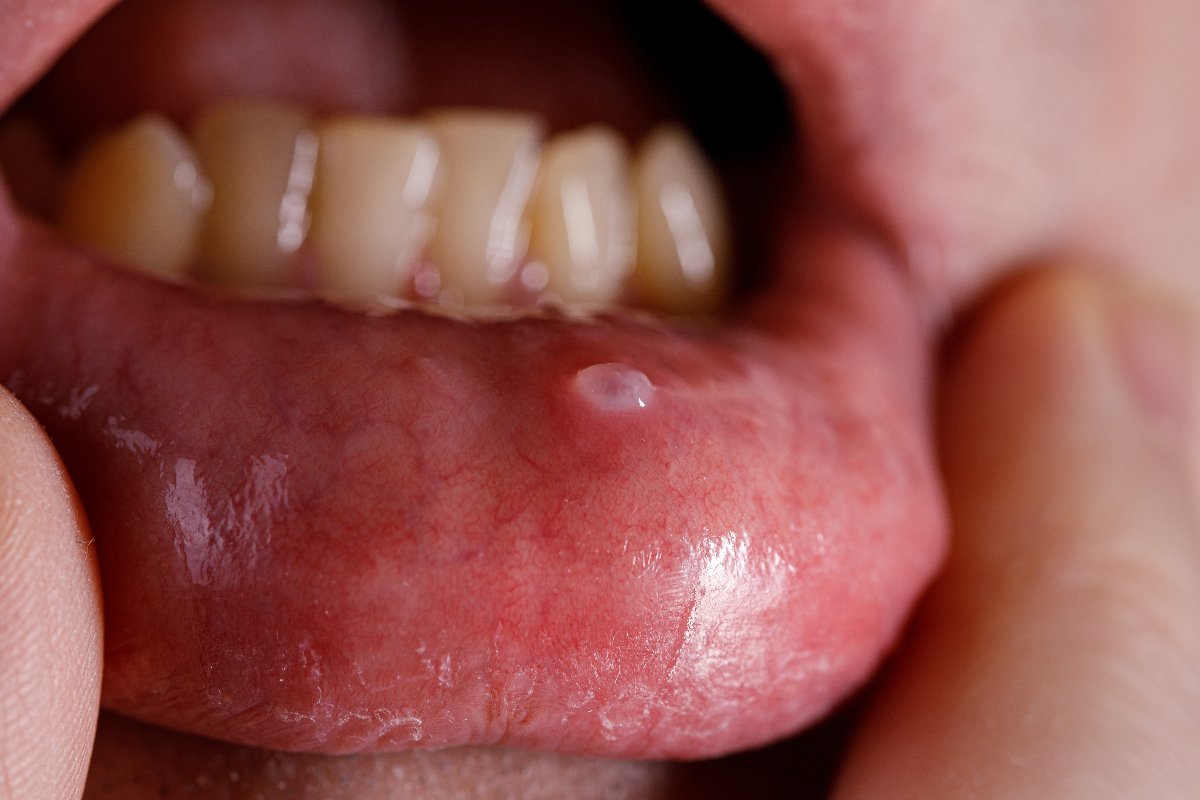
    Oral thrush:

    A fungal infection that is caused by the overgrowth of Candida Albicans. It presents itself as red and creamy white sores or patches in the mouth. Oral thrush is also seen to be occurring in relation with antibiotic treatments or weakened immune systems.
    Mouth cancer:

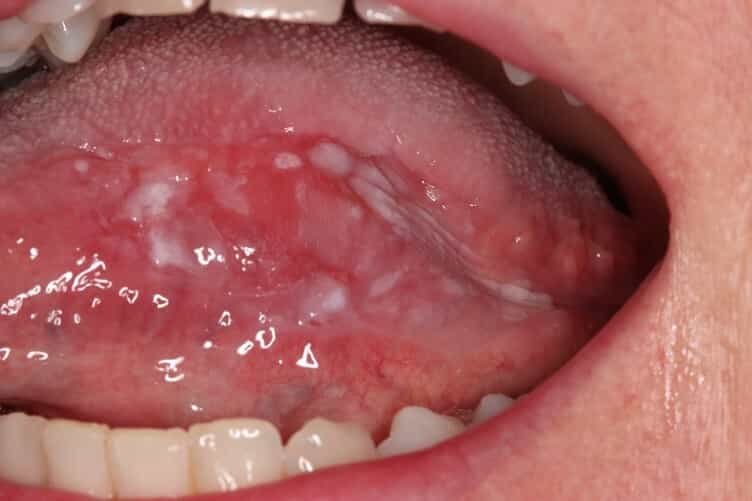
    In a few cases, oral cancer manifests itself as persistent red or white mouth sores or ulcers that do not heal on their own. If any mouth ulcer is seen to be present over three weeks, it should be checked by a professional.
    Erythroplakia:

    These are red patches appearing on the oral membrane, including tongue, inner cheeks or floor of mouth. Erythroplakia is often linked to tobacco use. Unlike leukoplakia, these patches are usually precancerous or cancerous.
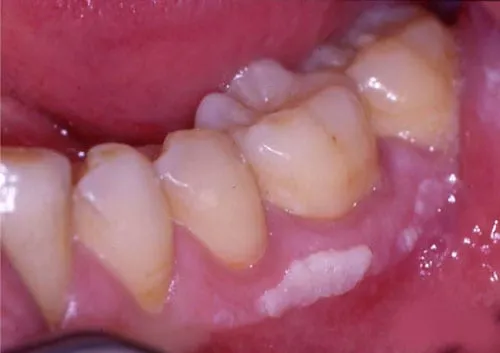
    Leukoplakia:

    Characterized by white or gray patches inside the mouth, leukoplakia results from excess cell growth. It’s often associated with chronic irritation from tobacco use but can occur without an apparent cause. These lesions are usually non-cancerous.
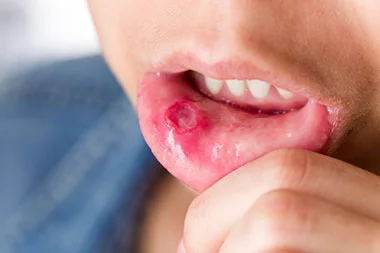
    Canker sores (aphthous ulcers):

    The most common type of mouth ulcers. They appear as white or yellow sores with red edges. While the exact cause is unknown, factors like minor trauma, acidic foods, and stress may trigger them.
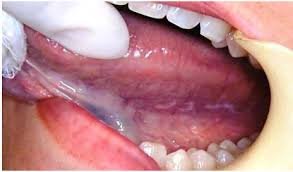
    Oral lichen planus:

    This condition causes itchy rashes and white, lace-like sores inside the mouth. It’s an immune system response, primarily affecting women and people assigned female at birth over 50.

    Mouth Ulcer Treatment

    While most of the mouth ulcers are self healing and disappear within a few days to two weeks, it never hurts to understand their management. Various at home treatments are available that help reduce pain and discomfort, alongwith accelerating healing time and minimizing recurrences. If home remedies don’t help we also do have a list of over the counter medications that help while you seek help from a professional.

    Home remedies and over-the-counter treatments:

    1. Topical applications:

    • Baking soda paste
    • Milk of magnesia
    • Over-the-counter benzocaine products (e.g., Orajel, Anbesol)
    • Ice application

    2. Mouth rinses:

    • Salt water and baking soda rinse
    • Antiseptic mouth rinses

    3. Natural remedies:

    • Echinacea, myrrh, and licorice root (in various forms like teas or oils)
    • Applying damp tea bags to the ulcer

    4. Nutritional supplements:

    • Vitamin B9 (folate), vitamin B12, zinc, and iron supplements if deficiencies are present

    Prescription treatments:

    For severe, persistent, or frequently recurring mouth ulcers, a healthcare provider may prescribe:

    1. Topical medications:

    • Steroid ointments (e.g., triamcinolone)
    • Pain-killing gels or ointments

    2. Oral medications (to be taken after consulting with a healthcare professional):

    • Steroid tablets
    • Immunosuppressants (in severe cases)

    3. Mouth rinses:

    • Steroid-containing rinses help to reduce pain and swelling
    • Antimicrobial rinses (e.g., chlorhexidine) to prevent infection and reduce inflammation

    4. Cauterization:

    • Laser therapy or silver nitrate solution is used to reduce pain and speed up healing. It is typically performed for severe cases.

    Mouth ulcers aren’t a big cause of concern, unless the occurrence becomes frequent, severe or long lasting, it is recommended to visit a professional for accurate diagnosis and prompt treatment.

    How long do mouth ulcers last?

    In most cases, mouth ulcers go away on their own in about 10 to 14 days. If you have a mouth sore that lasts longer than three weeks, schedule an appointment with your healthcare provider. They can recommend treatment and tell you how to get rid of your mouth ulcer.

    How Much Does the Treatment for Mouth Ulcers Cost?

    Treatments for mouth ulcers should be carried out at its earliest stages to avoid extra expenses that might incur later if the situation goes unheeded. You need to contact the nearest Nirvedana Dental clinic in India for the best prices.

    Recurrent, or indeed persistent, mouth ulcers are a major symptom for many serious conditions. If you have recurrent or severe mouth ulcers, it is important to seek an appropriate diagnosis and treatment from your doctor or dentist.

    Most minor mouth ulcers heal within 7-14 days without treatment. With proper care and treatment, healing time can be reduced. However, more severe ulcers may take up to 6 weeks to heal completely.

    Avoid well-known triggers (such as particular meals), practice proper oral hygiene, control your stress, eat a balanced diet high in vitamins and minerals, and protect your mouth’s lining from harm in order to prevent recurrence.

    Most mouth ulcers are harmless and heal on their own. However, you should be concerned if ulcers are large, painful, persistent (lasting more than 3 weeks), or recurring frequently. These could indicate an underlying health issue.

    While nearly all mouth ulcers are benign, some forms of mouth cancer may initially appear as nonhealing ulcers. Any mouth sore not healed within 3 weeks should be looked at by a healthcare professional.

    When the canker sore doesn’t heal within 3 weeks, professional consultation shall be sought. Persistent sores could indicate an underlying health condition or may require medical assistance.

    The healing period for Minor sores is 7-10 days, whereas major ones take up to 6 weeks to heal completely.

    A healthy diet and strict oral hygiene are the secrets to an ulcer-free mouth. Mouth ulcers can be caused due to underlying health reasons like Vitamin B12 deficiency and iron deficiency too. Patients prone to mouth ulcers must consult the best dentist near them for a permanent solution.

    Toothpastes treat mouth ulcers by reducing the swelling and pain of ulcers. But for ones who are prone to mouth ulcers, SLS toothpastes may aggravate ulcers. Hence it is recommended to seek help from a dentist nearby for painful and non self healing ulcers.

    Mouth ulcers generally heal on their own in one to two weeks.

    While severe and painful ulcers may not heal for up to six weeks. It is recommended to consult a dentist for quick relief from sores.

    Mouth ulcers typically go better in a week. For at home treatment, drink lots of water and avoid hot foods. Also warm salt water rinses and antiseptic gel application have shown good results.

    Oral cancers may lead to non healing painful mouth ulcers that persist for weeks. Although mouth ulcers appear anywhere in the mouth, those appearing beneath the tongue are one’s to look out for.