- Welcome To Nirvedana Dental
Gold Standard Sterilization Protocol
Painfree Dental Care
0 Waiting Tme..


What are Gum diseases?
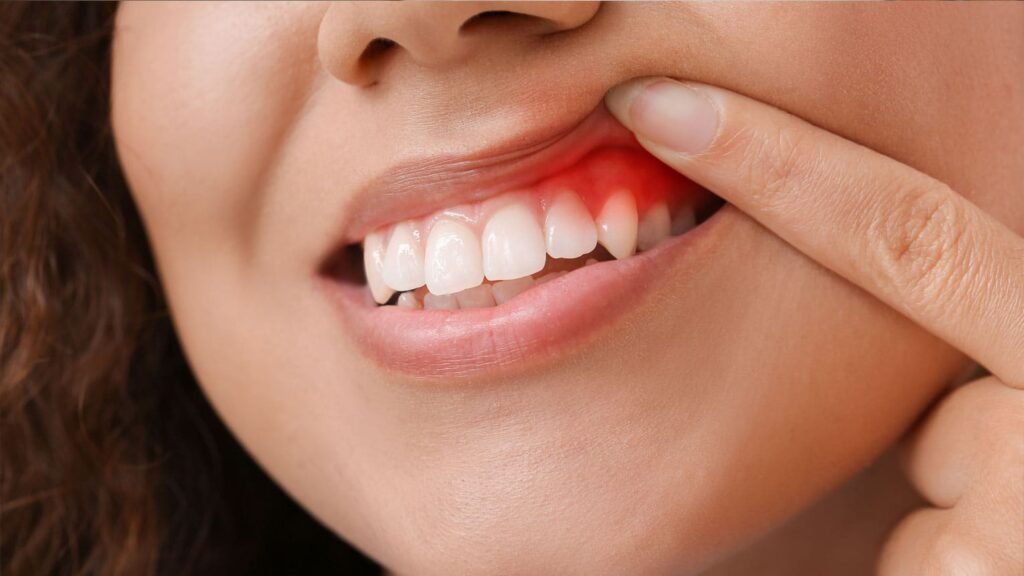
Periodontal disease — also called gum disease — refers to inflammation and infection of the tissues that support your teeth. Poor oral hygiene can result in gum disease. But some people are more prone to this condition than others are, even with proper brushing and flossing.
The most common form is gingivitis. This leads to gum inflammation, causing redness and bleeding when brushing.
Did You Know?
– Over 50% of people in India have gum diseases
– But at the same time, gum issues can be easily prevented
Talk to a Periodontist
How common is periodontal disease?
Almost half of all adults in the United States have some form of gum disease. It’s the leading cause of tooth loss.
What are the symptoms of periodontal disease?
Periodontal disease symptoms may include:
- Reddish or purplish gums.
- Bleeding.
- Soreness.
- Bad breath (halitosis).
- Unpleasant taste.
- Pain when chewing.
- Gum recession (gums that pull away from your teeth).
- Loose teeth.
- A change in the way your teeth fit together.
Types of Gum Disease
Gum diseases may present itself in various forms. Seen as mild, reversible conditions in gingivitis to severe forms such as periodontitis.
Gingivitis
Gingivitis is the earliest and mildest form of gum disease. Key characteristics include:
- Gum inflammation
- Caused by dental plaque buildup
- Entirely reversible with proper oral hygiene and professional treatment
- No bone loss at this stage
Symptoms:
- Red, puffy gums
- Bleeding during brushing or flossing
- Persistent bad breath
Causes:
- Plaque accumulation
- Certain medications (such as phenytoin, cyclosporin, calcium channel blockers)
- Severe vitamin C deficiency
- Hormonal changes (pregnancy, menopause)
- Some systemic diseases (e.g., leukemia)
- Exposure to heavy metals or bismuth
Plaque buildup is the primary cause of gingivitis. As the accumulated plaque extends below the gum line into the sulcus – the space between the tooth and gum – the gap between them widens. Without proper treatment, this can progress to more advanced gum diseases. Over time, the loss of supportive tissues may result in tooth loss.
Periodontitis
Periodontitis is an advanced stage of gum disease. When gingivitis is left untreated it develops into a further diseased state called periodontitis. The infection tends to reach a level where it affects the tooth supporting structures. The teeth on all its sides are enveloped by periodontal ligament and alveolar bone. These structures provide hold and support to the tooth and help to keep it in place. But once affected by disease, it leads to loss of this support system, eventually leading to loosened or missing teeth.
Progression stages:
Mild periodontitis:
- Bacteria seep beneath the gums
- Begin to affect supporting bone
- Gums may start to pull away from teeth
Moderate periodontitis:
- Continued bacterial activity erodes ligaments, soft tissues, and bone
- Bad breath and pus around the gum line may be noticeable
- Some people experience pain
Advanced periodontitis:
- Significant bone loss occurs
- Teeth may become loose and eventually fall out
Symptoms:
- Gum recession (gums pulling away from teeth)
- Loose or shifting teeth
- Changes in bite alignment
- Painful chewing
- Sensitive teeth
- Pus between teeth and gums
When left untreated, periodontitis can cause irreversible damage. This factor very well emphasizes the importance of early detection and treatment.
Symptoms and Risk Factors of Gum Disease
Common Symptoms
Recognizing the symptoms of gum disease is crucial for early detection and treatment. Early stages may not lead to noticeable symptoms, but here are common signs to watch for:
- Persistent bad breath
- Red, swollen, or tender gums
- Bleeding gums during brushing, flossing, or spontaneously
- Receding gums, making teeth appear longer
- Loose or shifting teeth
- Pain during chewing
- Sensitive teeth
- Pus between teeth and gums
- Changes in bite alignment
It’s important to note that gum disease often progresses painlessly, especially in its early stages. Regular dental check-ups are crucial for early detection.
Risk Factors
Several factors can increase the risk of developing gum disease:
Lifestyle factors:
- Smoking or chewing tobacco
- Poor oral hygiene
- Chronic stress
Medical conditions:
- Diabetes
- Heart disease
- Autoimmune diseases (e.g., lupus, scleroderma, Crohn’s disease)
- Suppressed immunity (e.g., HIV)
Hormonal changes:
- During puberty, pregnancy, and menopause
Genetic factors:
- Family history of gum disease
Dental issues:
- Crooked teeth
- Improperly fitted dental appliances
- Broken fillings
Medications:
- Oral contraceptives
- Steroids
- Anticonvulsants
- Calcium channel blockers
- Chemotherapy drugs
When to See a Dentist for Gum Diseases
Seek dental attention if you notice:
- Red, swollen, or bleeding gums
- Persistent bad breath
- Loose or shifting teeth
- Receding gums
Early intervention is key to maintaining oral health.
Price for Gum disease treatment
Gum disease treatment costs vary based on disease progression and location. Prompt treatment is crucial for both oral and overall health. Nirvedana Dental offers competitive pricing for gum disease treatment in India.
No, gum disease do not get better on their own. Professional dental cleaning and a good oral care routine are necessary.
Recovery time depends on the disease stage. Stage one typically requires 10-14 days.
Yes, gum disease are very well treatable. The course of treatment to be undertaken and its duration depends upon the disease stage.
The most common signs seen in initiation of gum disease are:
- redness
- tenderness
- swollen gums
- bleeding while brushing
Yes, Mouthwashes do aid in keeping gum healthy. Although it is useful in eliminating certain bacteria, it is to be used alongwith brushing and flossing.
It’s true that you should floss. Floss can get in where your toothbrush cannot. It’s almost like brushing the hard-to-reach areas of your mouth that your brush ignores.
Signs to watch out for are:
- Sore gums
- Bleeding gums
- Bad breath
- Loose teeth
- Gums pulling away from teeth
The advanced stages of gum disease are quite serious. As the condition progresses, the gums start to pull away from the teeth, forming pockets that can become infected. This leads to the loss of bone surrounding the teeth. As a result, the teeth may become loose or even fall out.
Gum disease cannot be reversed or cured at home, but can be prevented. Following steps help in doing the same:
- Brush twice a day
- Floss daily
- Use mouthwash
But if there are symptoms of gum disease already, help from a dentist is required.
Gum disease doesn’t just go away by itself. You need a dentist to treat it properly and teach you how to prevent it from coming back. Regular care is key.
Gingivitis is the early stage of gum disease causing gum inflammation and bleeding. It does not lead to any permanent damage. Good oral care can reverse gingivitis.
Periodontitis is more serious. It occurs when gingivitis progresses untreated. The infection spreads deeper, damaging tooth-supporting tissues and bone. This can lead to tooth loss if not managed. Unlike gingivitis, periodontitis damage isn’t fully reversible, but treatment can halt its progression.
It sure can. Studies have shown that gum disease is associated with other health problems. Most commonly seen to be associated with heart disease, diabetes, and even some pregnancy complications. It’s not just about your mouth – it’s about your whole body.
Gum disease when left untreated usually gets worse. You might end up with painful infections, loose teeth or even lost teeth. It’s much more convenient to get it fixed sooner than later.